How Much Water Should You Drink on Gym Days for Better Performance
Most gym beginners underestimate how much water their body needs on training days. Here's the science-backed strategy to fix that.
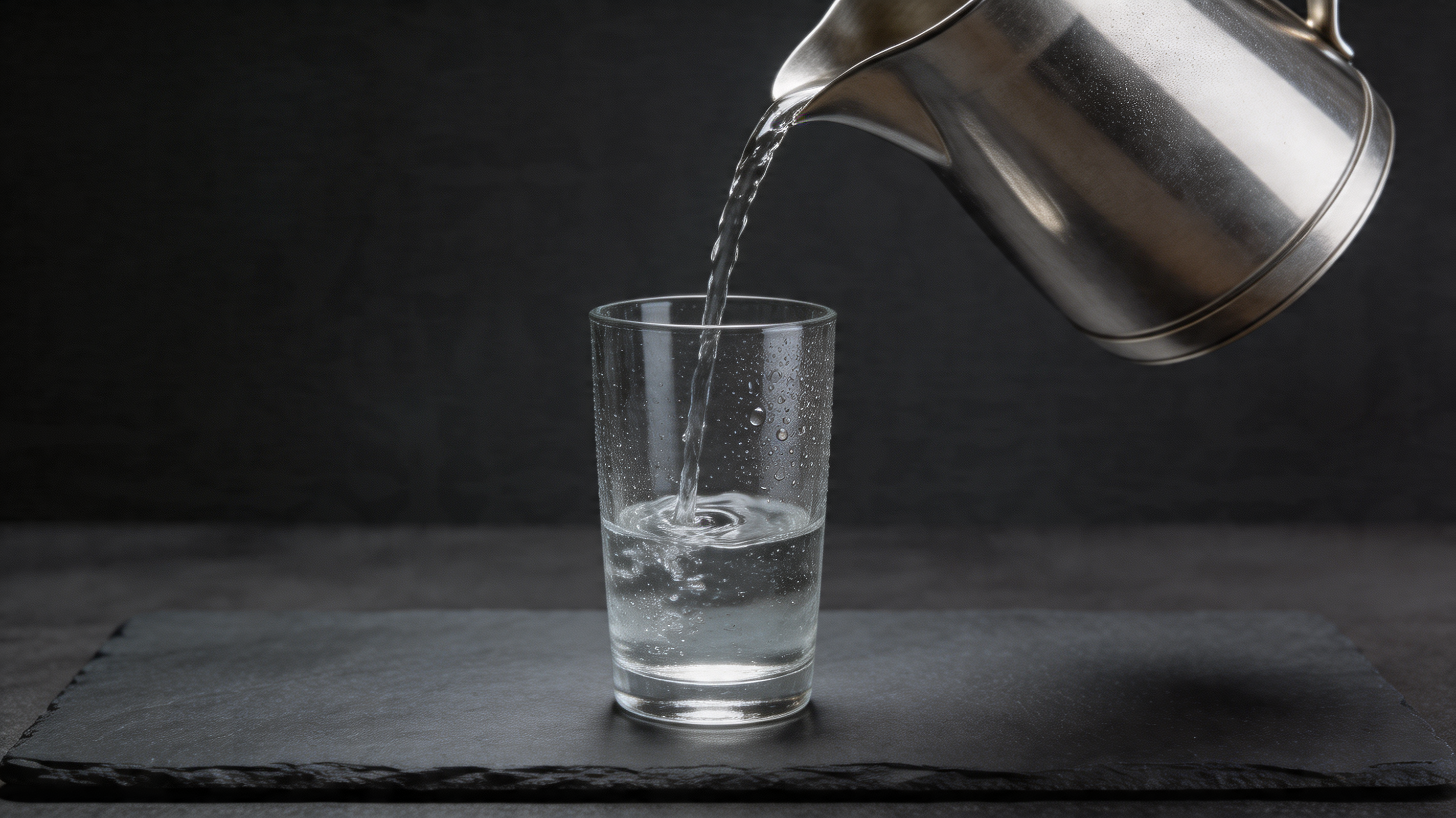
Why How Much Water to Drink on Gym Days Matters More Than You Think
You track your protein, you count your sets, but hydration? It probably sits at the bottom of your gym checklist. That habit is quietly costing you reps, recovery, and results. This article covers the real science behind water intake and workout performance, gives you precise targets for before, during, and after training, and flags the mistakes that keep even committed beginners dehydrated.
Most gym beginners underestimate how quickly fluid loss adds up. For every hour of activity, you can lose up to 2 quarts of fluid, along with electrolytes. That is a significant deficit to carry through a 60-minute lifting session, especially if you walked in under-hydrated from the hours before.
The Science Behind Hydration for Gym Beginners
Understanding why your body needs water on training days makes the targets easier to follow.
When you do not have enough water in your system, it essentially thickens your blood and affects its oxygen-carrying capacity, lowering the amount of oxygen your muscles receive. Reduced oxygen delivery to working muscle directly limits how hard and how long you can train. Water also lubricates your joints, and when you are dehydrated, you become less able to flush metabolic waste and cool yourself efficiently.
The performance cost of even mild dehydration is well-documented. The overwhelming majority of studies report that dehydration equivalent to greater than 2% body mass leads to significant reductions in endurance exercise performance and capacity. For a 75 kg (165 lb) person, that is just 1.5 kg (about 3.3 lb) of water weight lost through sweat. Losses of 5% or more of body weight during physical activity may decrease your capacity for work by roughly 30%.
Does Drinking Water Help Muscle Growth?
Yes, and the mechanism is more direct than most beginners realise. Water binds to glycogen and ensures good availability of nutrients, optimises energy resource use, and promotes anabolism. Muscle cells that are properly hydrated create a cellular environment that supports protein synthesis, while dehydrated cells shift toward a catabolic state. Research examining blood markers in athletes found that dehydrated athletes had elevated cortisol, which competes for enzymatic receptors and reduces testosterone, the primary hormone required for muscle growth; increased cortisol also reduces the testosterone response to resistance training.
There is also a baseline intake to keep in mind. General recommendations suggest that adequately hydrated women consume approximately 2.7 litres (91 oz) of total water from all beverages and foods each day, while men average approximately 3.7 litres (125 oz) daily. On gym days, you need more on top of that baseline to compensate for sweat losses.
How Much Water to Drink on Gym Days: Your Practical Strategy
Knowing the science is useful. Having an exact plan is better.
Before your session:
Drink 400–600 ml of fluid in the two hours before you begin exercise to ensure you arrive adequately hydrated, and aim to prevent dehydration from exceeding 2% of body weight during the session. If you are short on time, even a 250 ml glass 15–20 minutes before you start helps.
During your session:
A practical target is 150–300 ml every 15–20 minutes, varying the volume based on your sweat rate. Core temperature, heart rate, and perceived effort all remain lowest when fluid replacement most closely matches the rate of sweat loss.
Consider a sports drink when you exercise at high intensity for longer than 45 minutes, as these contain electrolytes including sodium, calcium, and potassium, which are vital to bodily function. For shorter lifting sessions, plain water does the job.
After your session:
Drink 16–24 oz of water or a hypotonic sports drink depending on how much you have sweated, with 24 oz per pound lost as the ideal rehydration goal. Weigh yourself before and after training if you want the most accurate picture of fluid loss. This matters even more if you train the following day, since arriving at your next session already dehydrated compounds the problem.
Pair your hydration strategy with a solid pre-workout nutrition plan to get the most out of both.
Common Hydration Mistakes That Limit Water Intake and Workout Performance
Waiting until you are thirsty. Thirst is a delayed signal. Research has indicated that thirst-guided hydrating leads to dehydration when performing long-duration exercise in a hot and humid environment. By the time you feel thirsty during a workout, you have likely already crossed the 1% body weight loss threshold.
Drinking too much too fast right before training. Downing a litre of water five minutes before lifting does not give your body time to absorb and distribute the fluid. Spreading intake across the day is far more effective for cellular hydration than bolus drinking before a session.
Ignoring electrolyte balance. Research shows that having a small amount of sodium in your hydration helps you absorb fluid better during exercise. Plain water in large volumes without adequate sodium can dilute blood sodium levels, which impairs performance and, in extreme cases, causes hyponatremia.
Only hydrating at the gym. Your hydration status when you arrive is the product of everything you drank that day. The National Academy of Medicine's adequate intake guidelines of roughly 13 cups daily for men and 9 cups for women represent a baseline, with higher amounts needed for those who are physically active. Training day hydration starts at breakfast, not in the parking lot.
Understanding how water fits within your broader nutrition picture helps too. If you are still building your nutrition foundation, learning what macros are and how to track them will give you a complete view of what your body needs on training days.
Make Hydration a Non-Negotiable Part of Every Gym Day
Knowing how much water to drink on gym days is not complicated once you understand the mechanism. Arrive hydrated, sip consistently during your session, and replenish based on sweat loss afterward. Those three habits protect your strength output, support muscle growth, and accelerate recovery.
Sculpt AI makes this easy to act on. The app sends push notification reminders for water intake so nothing slips, and its body metrics tracker logs your daily weight trend to help you spot patterns that might signal chronic under-hydration. Set it up once and let it keep your hydration habits on track alongside your training.
Sources
- Mass General Brigham (n.d.). Hydration Tips for Athletes. Mass General Brigham
- Johns Hopkins Medicine (2023). Sports and Hydration for Athletes: Q&A with a Dietitian. Johns Hopkins Medicine
- Latzka, W.A. & Montain, S.J. (1999). Water and electrolyte requirements for exercise. PubMed / NCBI
- Sawka, M.N. et al. (2007). Referenced in: Gatorade Sports Science Institute. Does dehydration really impair endurance performance? GSSI
- SportsCardiologyBC (2015). The Effects of Hydration on Athletic Performance. SportsCardiologyBC
- Solares-Mun, I. et al. (2021). Hydration to Maximize Performance and Recovery. PMC / NCBI
- Liguori, G. & Schuna, J. (2019). The Role of Water Homeostasis in Muscle Function and Frailty: A Review. PMC / NCBI
- National Academies of Sciences, Engineering, and Medicine (2004). Report Sets Dietary Intake Levels for Water, Salt, and Potassium. National Academies
- Harvard T.H. Chan School of Public Health (n.d.). How Much Water Do You Need? The Nutrition Source
Keep going
Related tools on Sculpt
About this article

Written by
Dylan MartinezContent & Community at Sculpt
Dylan leads content and community at Sculpt, including editorial direction for the Sculpt research library.