
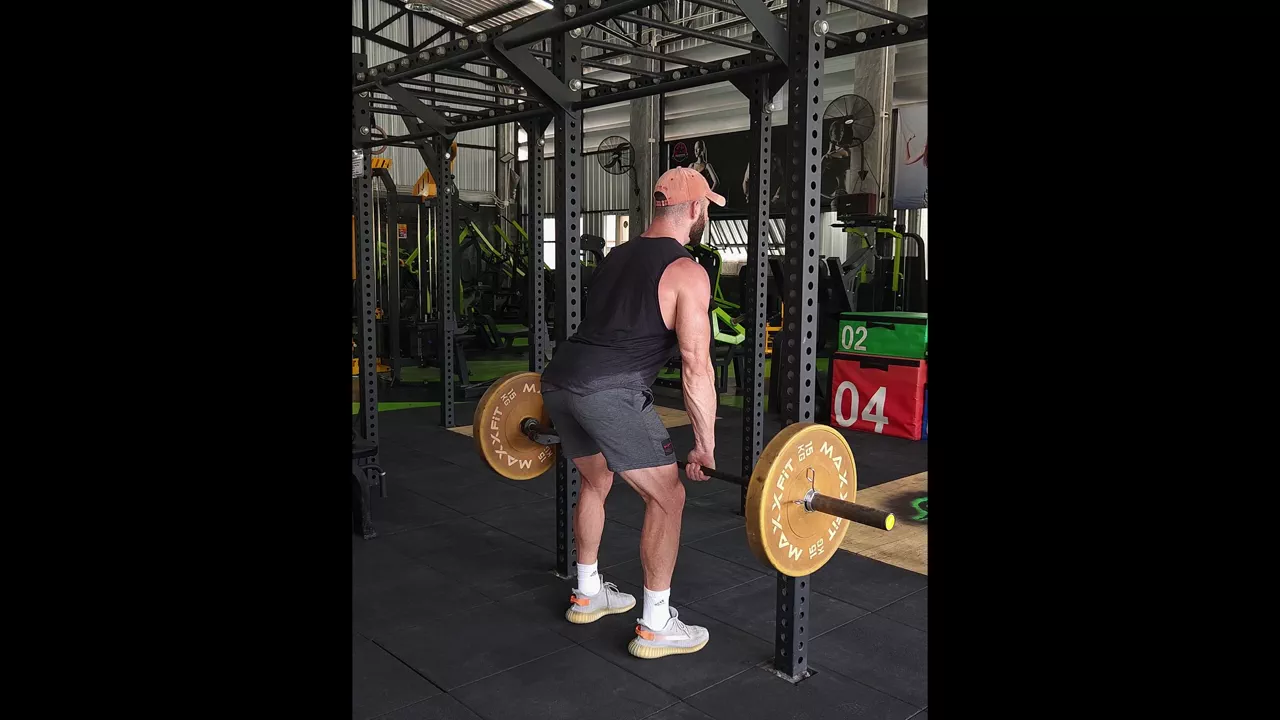
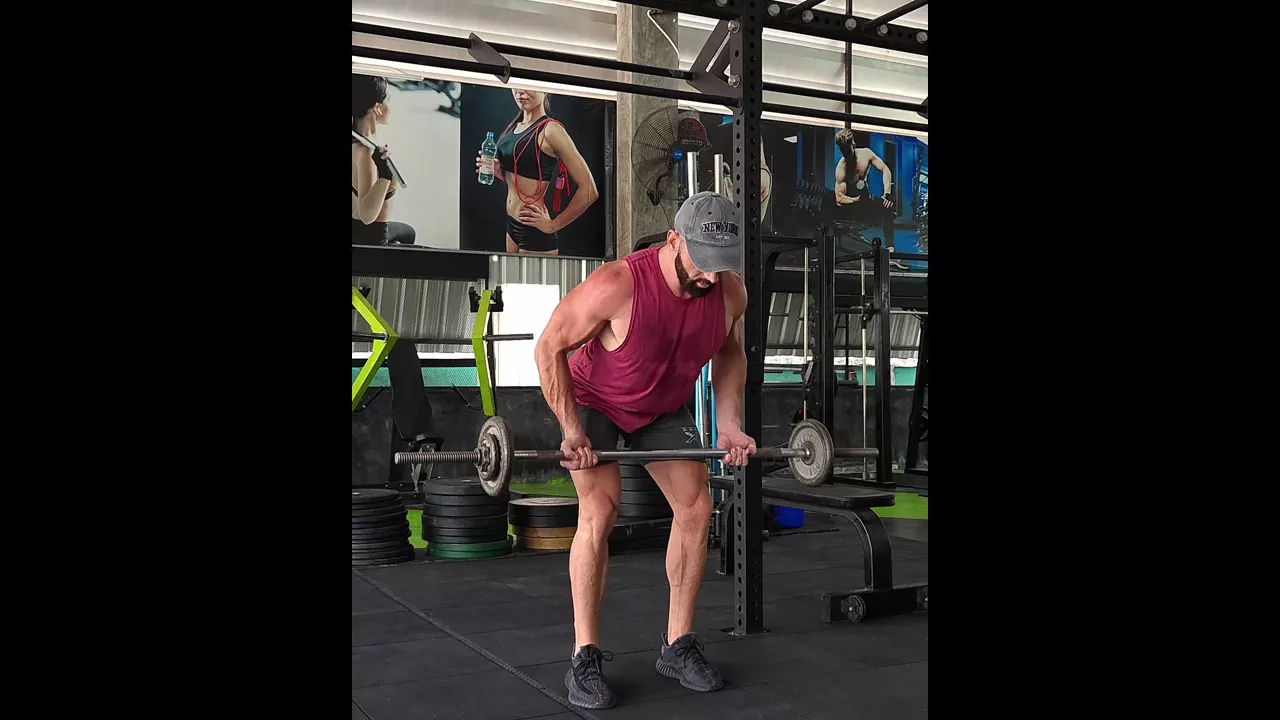
Barbell Rack Pull
Back·Intermediate
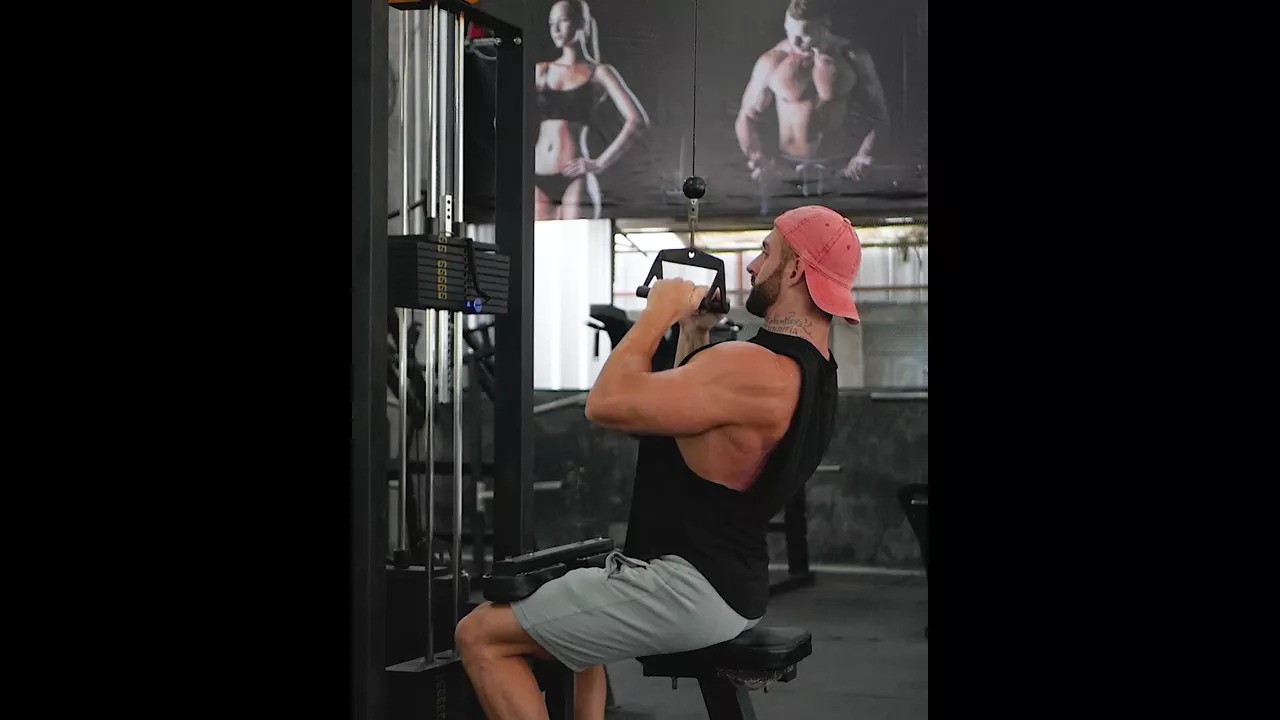
The Cable Seated Row Close-Grip is a compound back exercise that emphasizes the lats and mid-back through a narrow pulling position. The close grip allows for strong elbow drive and controlled contraction.
Sit at the cable row station with your feet planted on the foot platform.
Attach a close-grip handle and grab it with a neutral grip.
Sit tall with your chest up and core braced.
Pull the handle toward your lower chest or upper abdomen.
Drive your elbows back and keep them close to your body.
Squeeze your shoulder blades together at the end of the movement.
Slowly return the handle to the starting position.
Repeat for the desired number of reps.
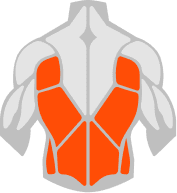
The Cable Seated Row Close-Grip primarily targets the Back.
The Cable Seated Row Close-Grip is an isolation exercise, meaning it focuses on a single muscle group through one joint movement.
You need the following equipment: Cable Machine.
The Cable Seated Row Close-Grip is rated as intermediate difficulty. Some training experience is helpful for performing this exercise safely.
Sculpt synthesizes every input from your body and your training, then builds the plan. No spreadsheets. No guessing.