

Barbell Deadlift
Back·Barbell·Advanced·Compound
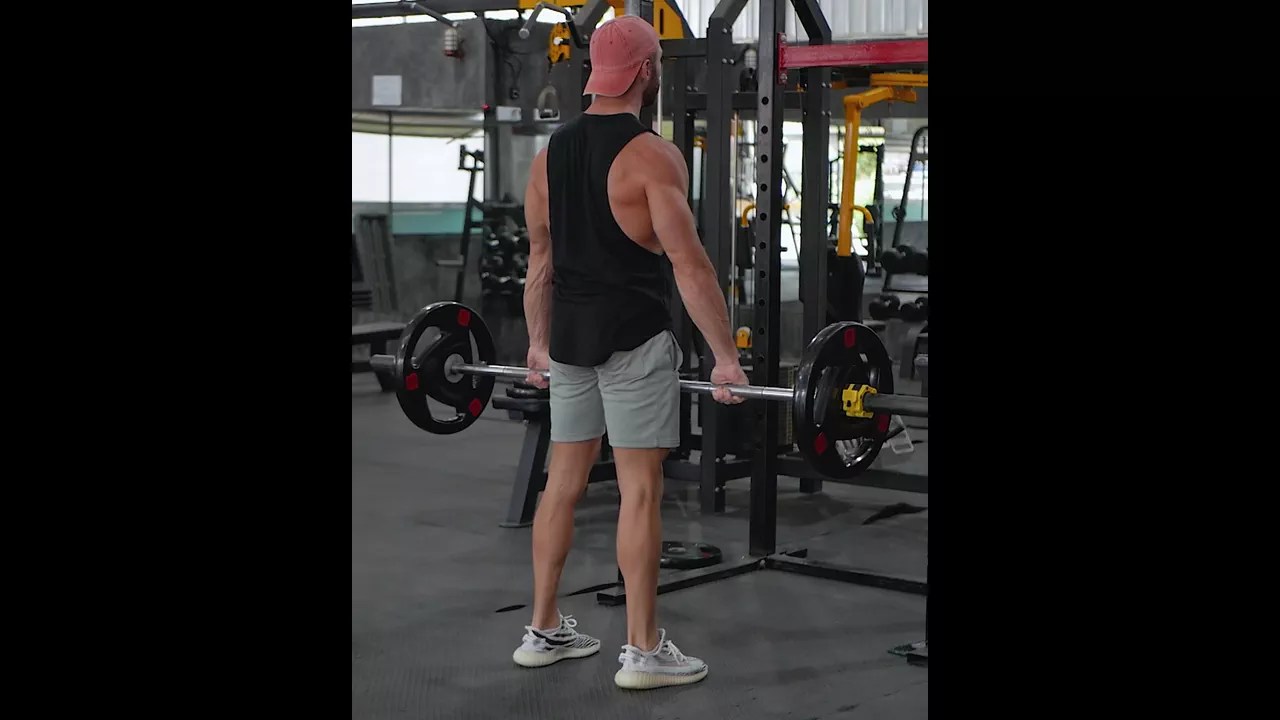
The Barbell Standing Deadlift Rack-Pull is a partial deadlift variation performed from an elevated starting position. This exercise emphasizes the upper posterior chain, including the glutes, hamstrings, and traps, while allowing heavier loads than full deadlifts.

Set the barbell on safety pins or blocks just below knee height.
Stand with feet hip-width apart and grip the barbell.
Brace your core and keep your chest tall.
Drive through your heels to lift the barbell.
Extend your hips and knees until standing tall.
Squeeze your glutes at the top.
Lower the barbell back down to the rack with control.
Repeat for the desired number of reps.
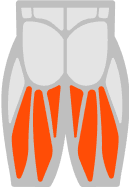
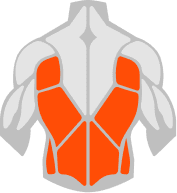
The Barbell Standing Deadlift Rack-Pull primarily targets the Glutes. Supporting muscles include Hamstrings, Back.
The Barbell Standing Deadlift Rack-Pull is a compound exercise, meaning it works multiple muscle groups and joints in a single movement.
You need the following equipment: Power Rack, Barbell.
The Barbell Standing Deadlift Rack-Pull is rated as advanced difficulty. Prior training experience and proper form fundamentals are recommended.
Sculpt synthesizes every input from your body and your training, then builds the plan. No spreadsheets. No guessing.