

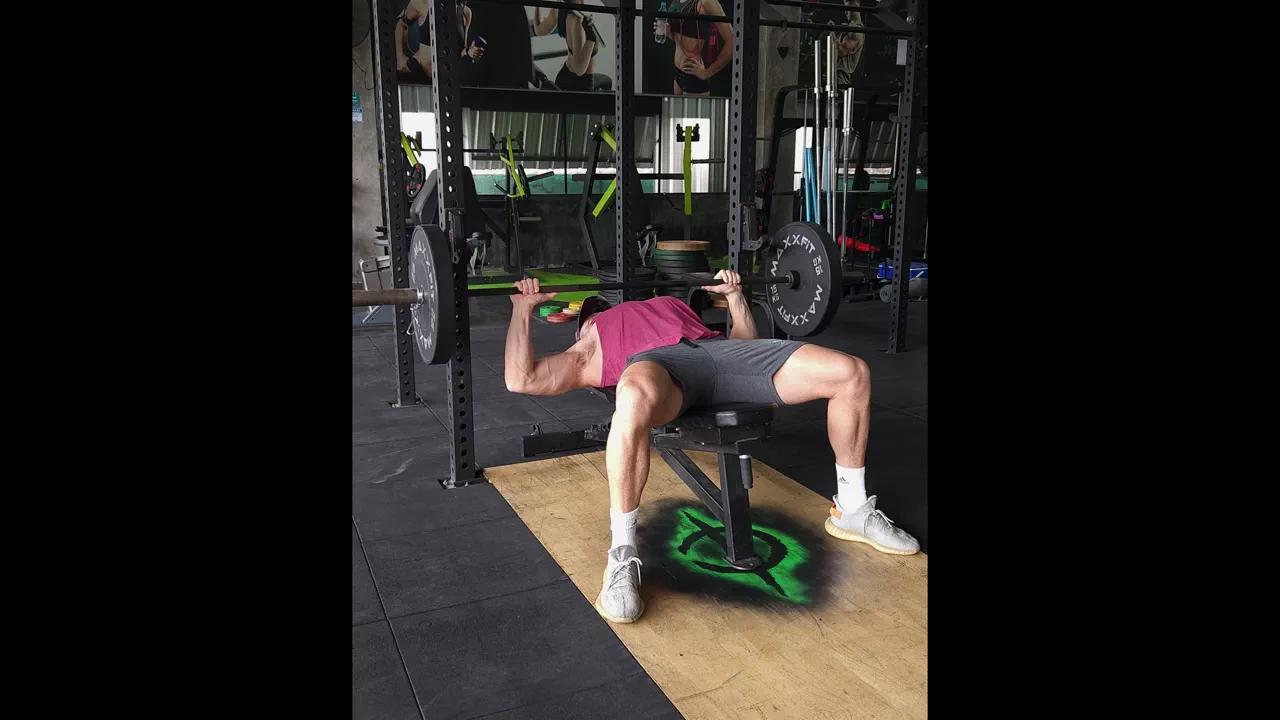
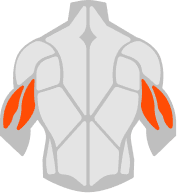
Barbell Bench Press
Triceps·Barbell·Intermediate·Compound
The weighted dip is an advanced variation of the standard dip that adds external resistance via a weight belt or dumbbell between the feet. It targets the chest, triceps, and anterior deltoids, building significant upper-body pressing strength.
Attach a weight belt with added plates around your waist or hold a dumbbell between your feet.
Grip the parallel dip bars and lift yourself up to arms fully extended.
Lean slightly forward for chest emphasis, or stay upright for triceps emphasis.
Lower your body slowly by bending your elbows until your upper arms are roughly parallel to the floor.
Pause briefly at the bottom while maintaining control.
Press through your palms to drive your body back up to the starting position.
Repeat for the desired number of repetitions.
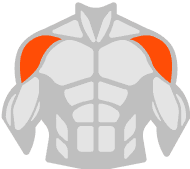
The Weighted Dips primarily targets the Triceps. Supporting muscles include Chest, Shoulders.
The Weighted Dips is a compound exercise, meaning it works multiple muscle groups and joints in a single movement.
You need the following equipment: Assisted Pull Up Dip, Weight Plates.
The Weighted Dips is rated as intermediate difficulty. Some training experience is helpful for performing this exercise safely.

Sculpt synthesizes every input from your body and your training, then builds the plan. No spreadsheets. No guessing.