


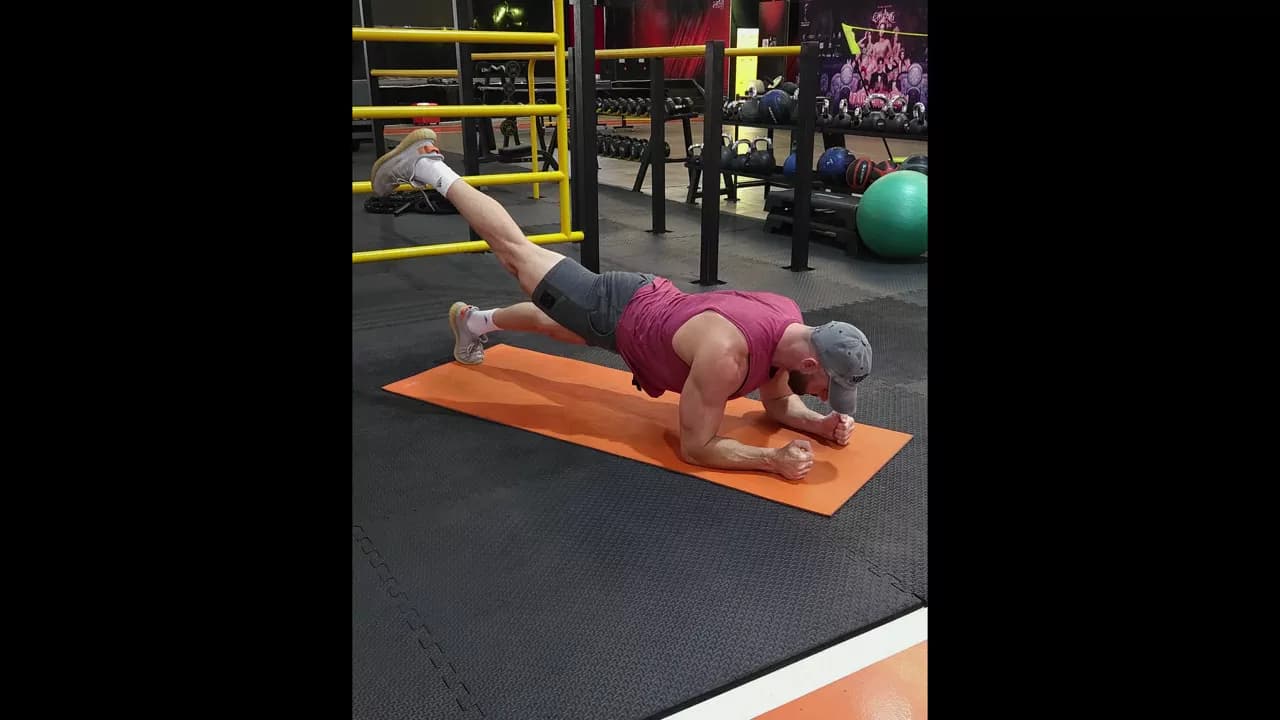
Bodyweight Floor Plank Spider-Style
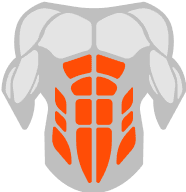
Abs·Intermediate·Compound
The Barbell Standing Military Press is a strict overhead pressing movement that builds shoulder strength and stability. Performed with an upright posture and minimal body movement, it emphasizes proper pressing mechanics and core engagement.
Stand tall with your feet close together and a barbell at shoulder height.
Grip the barbell slightly wider than shoulder-width.
Brace your core and keep your glutes tight.
Press the barbell straight overhead until your arms are fully extended.
Keep the bar path close to your face as it moves upward.
Lower the barbell back to shoulder height under control.
Repeat for the desired number of reps.
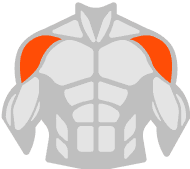
The Barbell Standing Military Press primarily targets the Shoulders. Supporting muscles include Abs, Glutes.
The Barbell Standing Military Press is a compound exercise, meaning it works multiple muscle groups and joints in a single movement.
You need the following equipment: Barbell, Weight Plates, Squat Rack.
The Barbell Standing Military Press is rated as intermediate difficulty. Some training experience is helpful for performing this exercise safely.
Sculpt synthesizes every input from your body and your training, then builds the plan. No spreadsheets. No guessing.