Equipment

Best Pull Up Bar Exercises

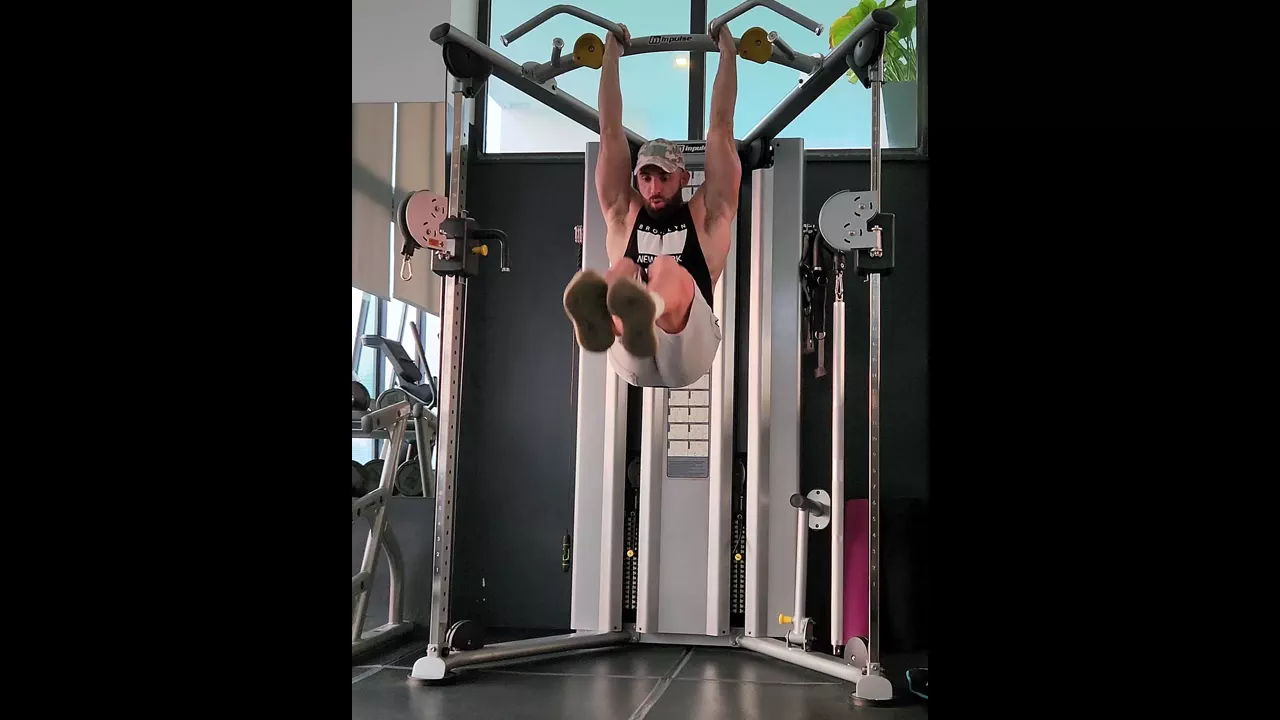
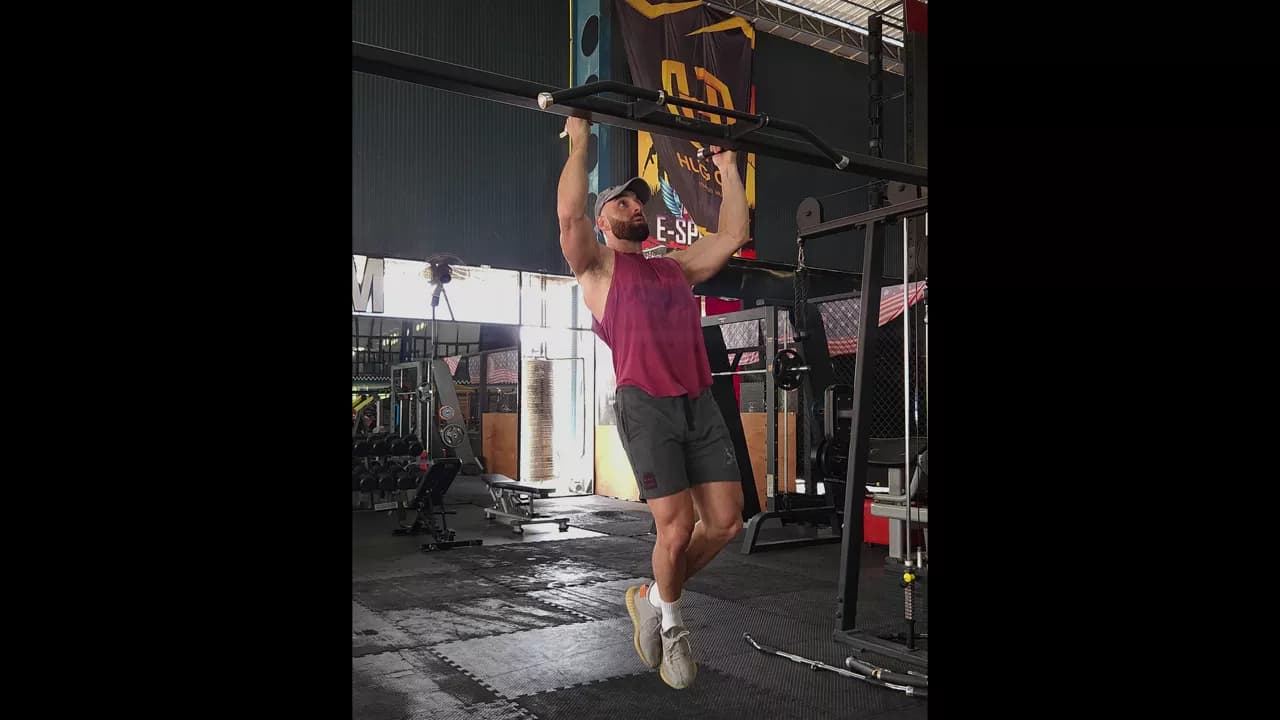
2 exercises you can do with a pull up bar. Step-by-step form cues, primary muscles, and difficulty levels from the Sculpt training library.

Overview

About pull up bar training

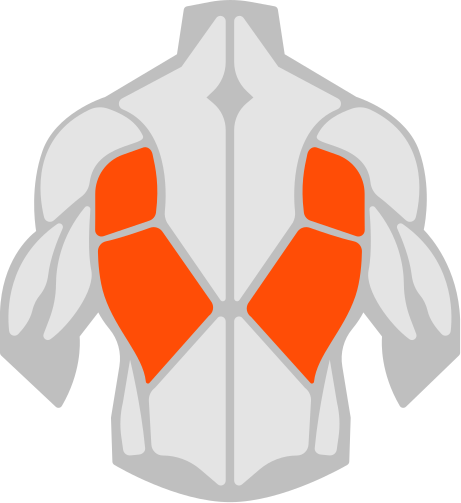
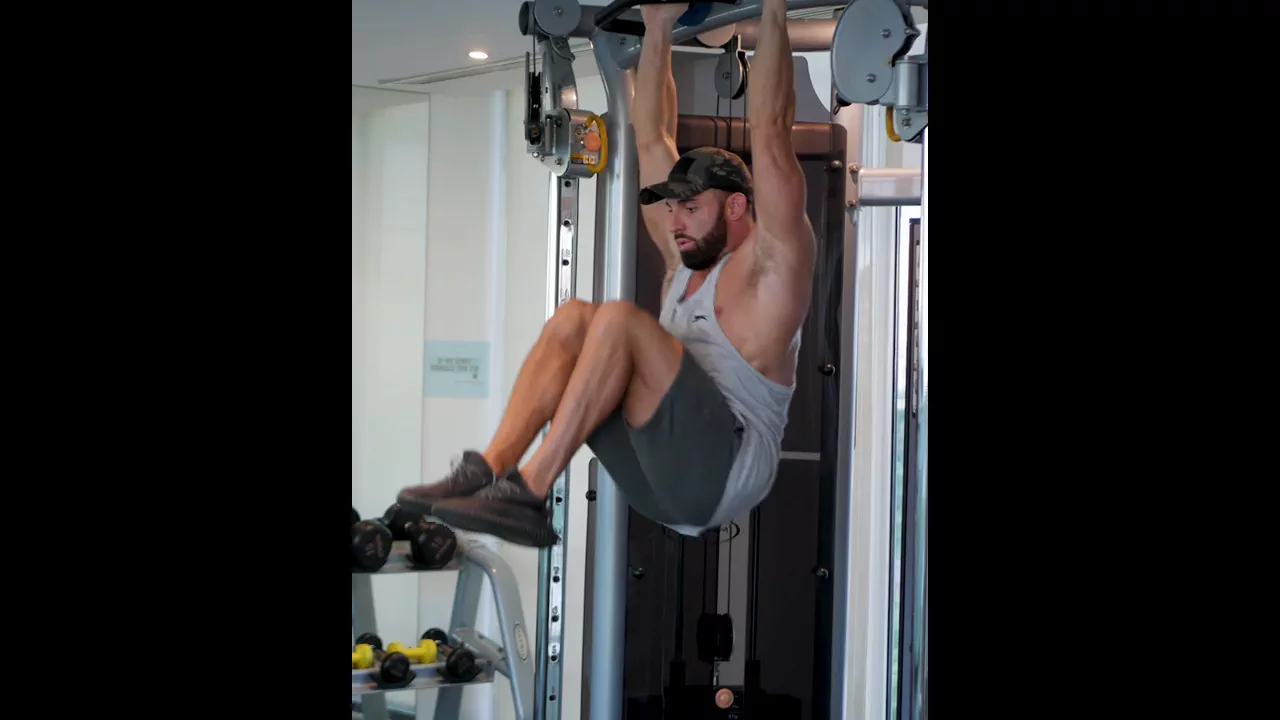
A pull-up bar is one of the most effective pieces of equipment for upper body development. Pull-ups and chin-ups train the lats, biceps, rear delts, and core simultaneously. The exercise can be scaled from assisted (with bands or a machine) to weighted (with a belt or vest). Dead hangs from the bar also decompress the spine and build grip endurance. A pull-up bar is sufficient for a complete back and bicep workout.

Training tips

How to train effectively

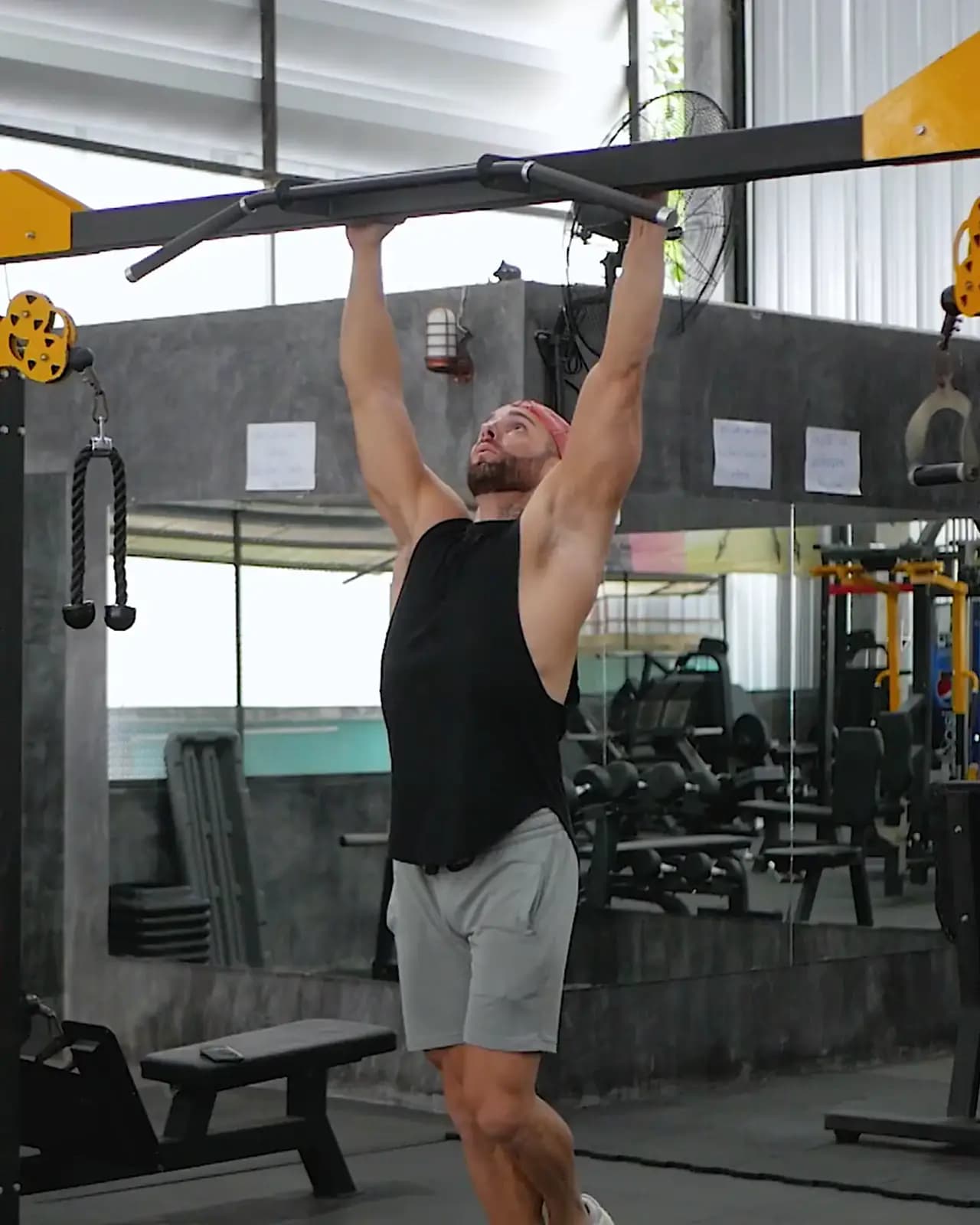
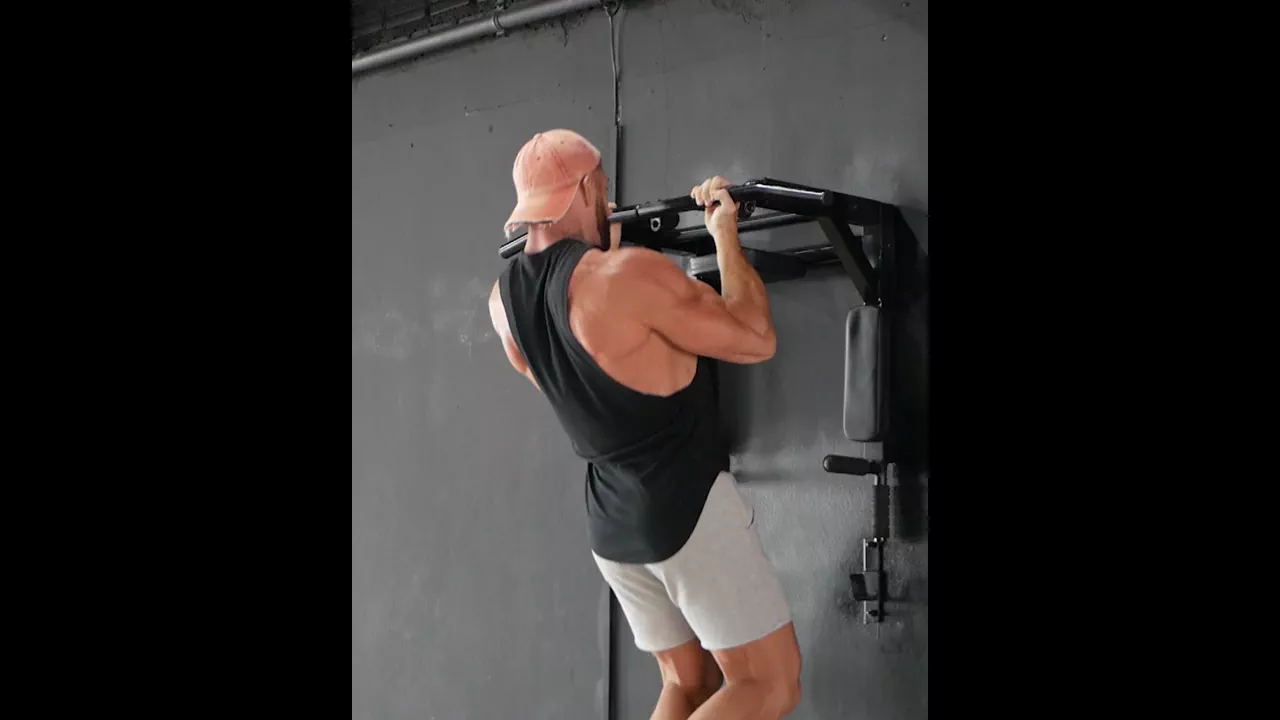
  • Use a full range of motion. Start from a dead hang (arms fully extended) and pull until your chin clears the bar.
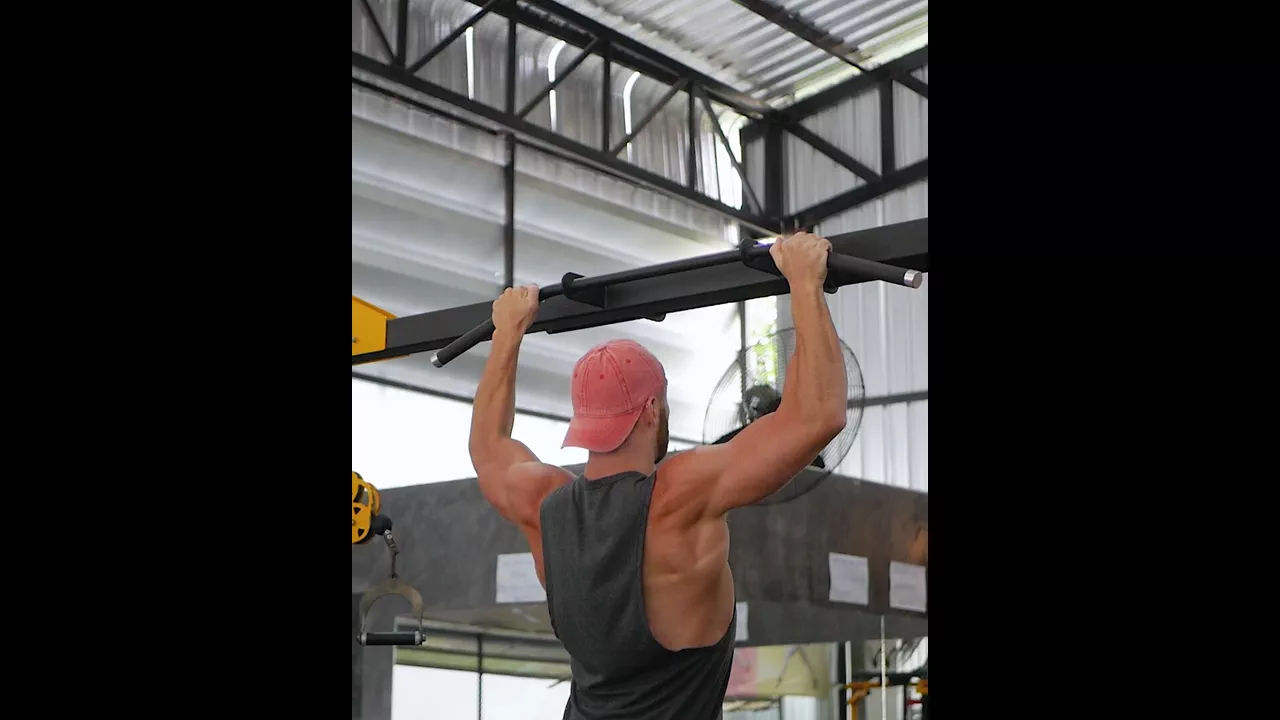
  • Vary your grip. Wide overhand grip emphasizes the lats and teres major, close underhand grip shifts focus to the biceps and lower lats, neutral grip balances the load.
  • If you cannot do a full pull-up, start with band-assisted pull-ups or slow negatives (jump to the top and lower yourself in 5 seconds).
  • Add weight progressively with a dip belt or weighted vest once you can complete 3 sets of 10 with bodyweight.
Common mistakes

What to avoid

  • Using kipping or swinging to complete reps. Strict form builds more muscle. Save kipping for sport-specific training only.
  • Not going to full extension at the bottom. Partial reps limit lat stretch and reduce the effective range of motion.
  • Ignoring scapular engagement. Depress and retract the shoulder blades before pulling to activate the lats instead of the upper traps.

2 exercises

The adaptive health app

Bring training, nutrition, and recovery into one system.

Sculpt synthesizes every input from your body and your training, then builds the plan. No spreadsheets. No guessing.