Best Resistance Band Exercises
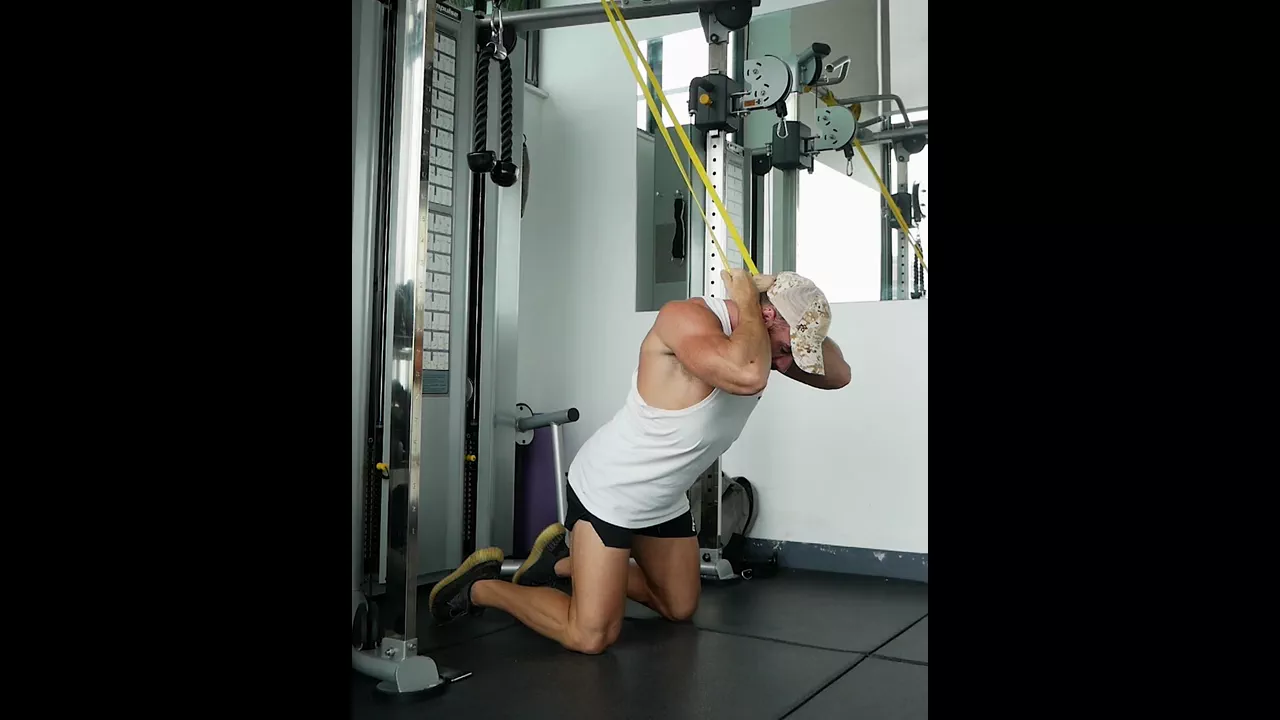
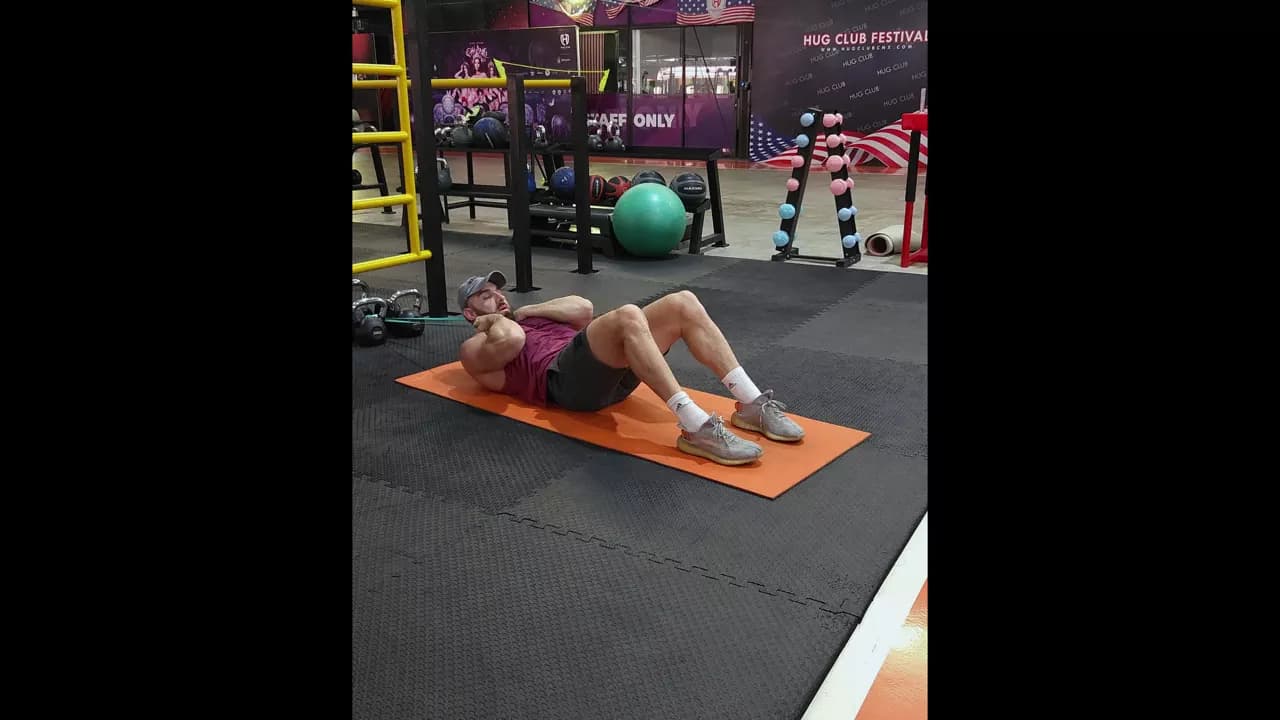
3 exercises you can do with a resistance band. Step-by-step form cues, primary muscles, and difficulty levels from the Sculpt training library.
About resistance band training
Resistance bands are elastic bands that provide variable resistance, increasing as the band is stretched. They are lightweight, portable, and available in multiple tension levels. Bands are useful for warm-ups, activation work, rehabilitation, and as a standalone training tool when weights are not available. They excel at accommodating resistance (adding band tension to barbells) and for exercises where free weights provide poor resistance curves, such as hip abduction and face pulls.
How to train effectively
- Anchor the band securely before each exercise. A band snapping free under tension can cause injury.
- Combine multiple bands to create intermediate resistance levels. Stacking a light and medium band gives you a tension level between the two.
- Use bands for warm-up and activation before heavy lifting. Banded pull-aparts, monster walks, and glute bridges prime the target muscles.
- Control the return phase. Bands accelerate on the way back due to stored elastic energy. Resist this acceleration to keep tension on the muscle.
What to avoid
- Letting the band snap back between reps. The eccentric (return) phase is where a significant portion of the stimulus occurs. Control it.
- Using a band with too much or too little tension. If you cannot complete 8 reps with control, go lighter. If 20 reps feels easy, go heavier.
- Assuming bands replace weights. Bands are a complement to free weights, not a substitute. The variable resistance curve means peak tension only occurs at full stretch.
3 exercises